October 19, 2026



 Written by Watch TV Direct
To watch live sports online you need three things: a service that carries the channels showing your sport, a screen to watch on, and an internet connection that holds steady. Most people sort out the first two in an evening. What catches them out is match night, when a stream that behaved all week freezes the moment the game kicks off.
We deal with those match nights every weekend in our support inbox. This guide covers what to check for each major sport, the start times that trip people up across time zones, how to set up before a big game, and how much internet speed you need.
On this page
Get those right and the rest of this guide is about making sure they hold up when it counts.
A film on a service like Netflix loads minutes ahead of the point you’re watching, so a dip in your connection goes unnoticed. A live match can’t work that way. Only a few seconds of video sit in the buffer at any moment, so any interruption shows up on screen straight away.
Sport then adds two problems of its own. Fast movement, like a ball crossing the pitch, a fighter’s combination or a car at 300 km/h, needs more data to stay sharp than a studio show does. And everyone presses play at the same moment. A service that copes with a quiet Tuesday can struggle when tens of thousands of viewers arrive for the same kickoff.
That’s why the only honest test of a sports stream is a big live event. If you want the full technical picture, our buffering guide explains the four causes and how to tell them apart.
Every sport has its own rhythm: when games start, how long they last, and when the most people tune in at once. Here’s what to check for each one.
Kickoffs bunch together. On a Saturday several Premier League matches start at 15:00 UK time, and Champions League nights run two slots, at 18:45 and 21:00 Central European Time. If your household follows different teams, you may want two matches on two screens at once.
Rights are also split differently in every country, so the channel showing a league in one place isn’t the one showing it next door.
NFL Sundays run in overlapping windows: early games at 1:00 pm Eastern, late games at 4:05 or 4:25 pm, then Sunday Night Football at 8:20 pm. Monday and Thursday night games start at 8:15 pm. For viewers in Europe or the Middle East, that puts the late window and the night games deep into the evening or the early hours.
The NBA plays almost every night from October to April, then the playoffs run into June. Most games tip off in the US evening, which means the early hours of the morning in Europe and the Gulf. EuroLeague games are played in the European evening, which suits viewers in Europe and the Middle East far better.
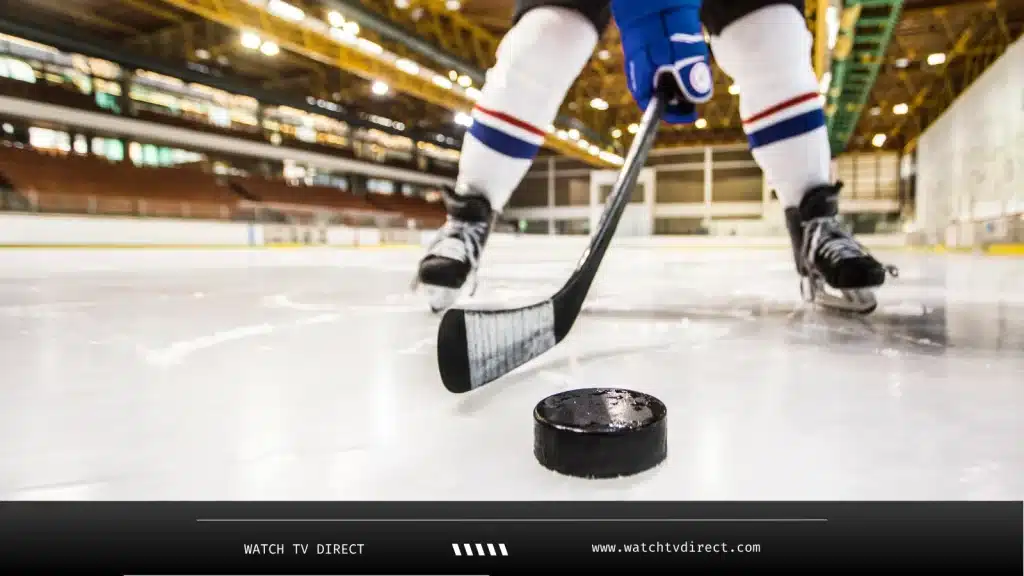
The NHL season runs from October to June, with most games in the North American evening. Hockey is one of the fastest sports to watch on screen: the puck is small and moves quickly, so it shows up a weak stream faster than almost anything else.
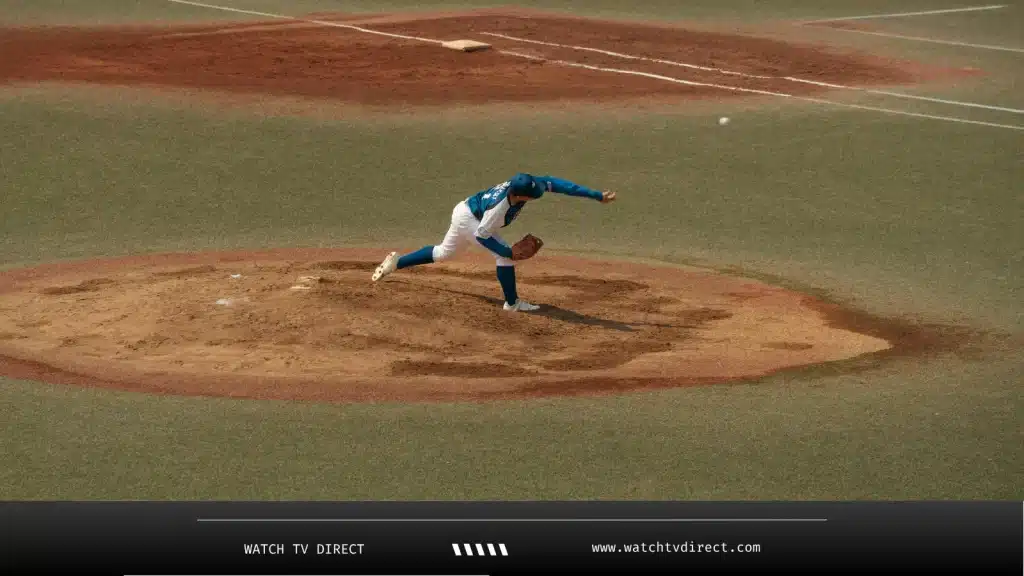
Each MLB team plays 162 games between late March and late September, with the postseason and World Series in October. That’s a game almost every day, mixing afternoon and evening starts, and each one usually lasts around three hours.
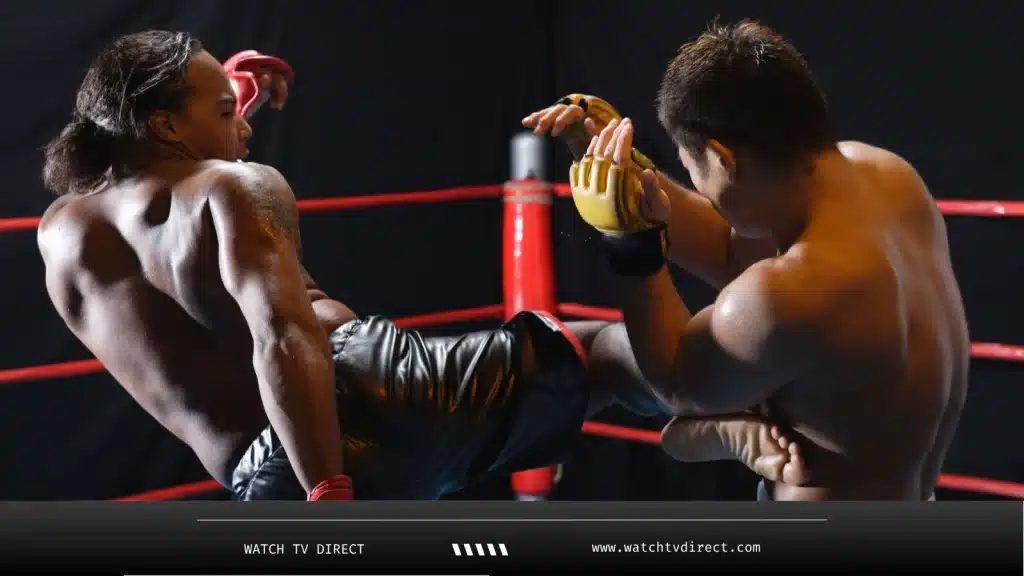
Fight cards run for hours and the main event comes last, often after midnight in the UK and in the early morning across the Gulf. The heaviest load on any service hits in the minutes before the headline walkout, which is exactly when weak streams give up.
How fights are sold also keeps changing. Since 2026, UFC events in the US stream on Paramount+ rather than pay-per-view, while big boxing nights are still often sold as separate pay-per-view events. What’s available varies by country.
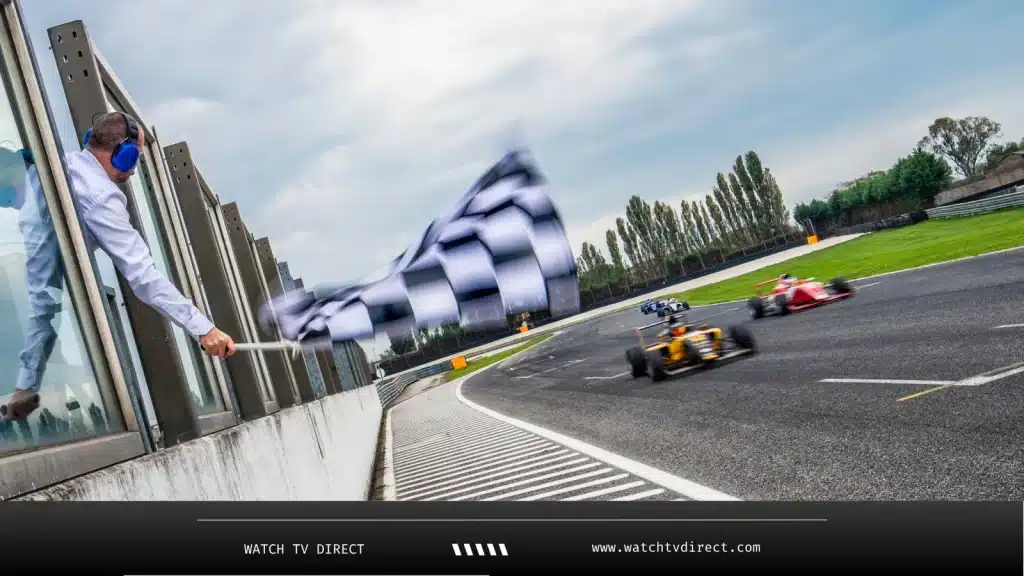
An F1 weekend spreads practice, qualifying and the race across three days, and sprint weekends add another session. Races in Asia, the Americas and the Middle East land at very different local times, so the calendar never feels the same two weekends running. MotoGP, IndyCar and NASCAR follow similar patterns.
A Grand Slam runs for two weeks, with matches on a dozen courts at the same time in the early rounds. A five-set match can last well over four hours, and the day session often rolls straight into the evening one.
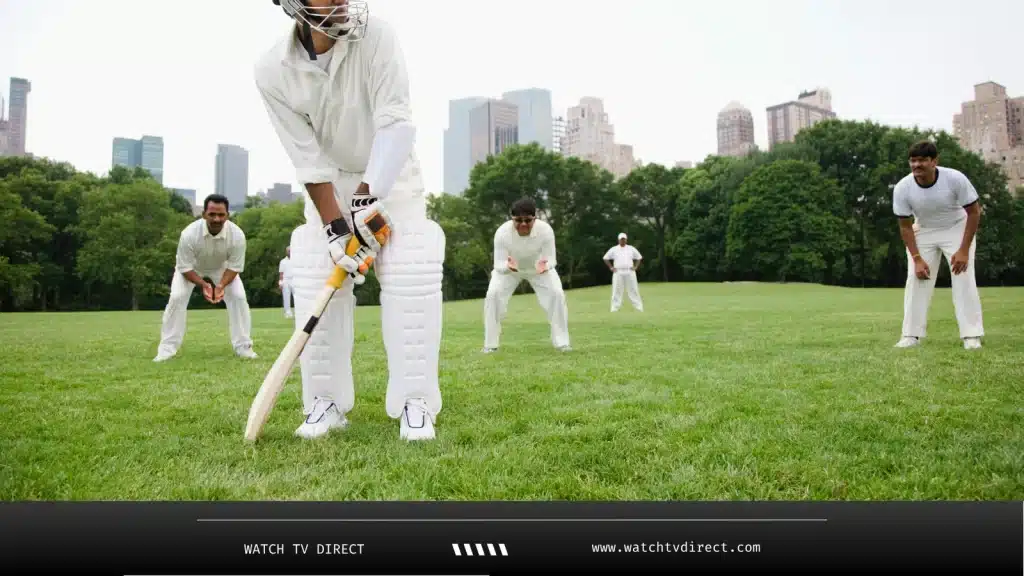
Cricket comes in very different lengths. A T20 match lasts about three and a half hours, while a Test match is played over five days. IPL evening games start at 7:30 pm India time, which lands in the late afternoon in Europe and the early evening in the Gulf.

Tournaments run from Thursday to Sunday, and coverage of a single round can last five hours or more. For US events, the final holes on Sunday usually fall in the late evening in Europe and close to midnight in the Gulf.
The three Grand Tours, the Giro d’Italia, the Tour de France and the Vuelta a España, each last three weeks. A single stage can be broadcast for four to six hours, with the finish usually in the mid to late afternoon, European time.
At the Olympics dozens of events run at once, all day, for more than two weeks, and the schedule follows the host city’s time zone. The next Summer Games are in Los Angeles in 2028, so many finals will fall late at night or early in the morning for viewers in Europe and the Middle East.
Typical start times for the slots that most often catch people out, converted to four time zones:
| Event | UK | Central Europe | Gulf (UAE) | US Eastern |
|---|---|---|---|---|
| Champions League, early slot | 17:45 | 18:45 | 21:45 | 12:45 |
| Champions League, late slot | 20:00 | 21:00 | 00:00 (next day) | 15:00 |
| Premier League, Saturday 3pm | 15:00 | 16:00 | 19:00 | 10:00 |
| Premier League, Saturday evening | 17:30 | 18:30 | 21:30 | 12:30 |
| NFL, Sunday early games | 18:00 | 19:00 | 22:00 | 13:00 |
| NFL, Sunday late games | 21:25 | 22:25 | 01:25 (Mon) | 16:25 |
| NFL, Sunday Night Football | 01:20 (Mon) | 02:20 (Mon) | 05:20 (Mon) | 20:20 |
Times shown for winter, from early November to late March. In summer the UK and Central Europe move their clocks forward an hour and the Gulf doesn’t, so Gulf times move an hour earlier. Broadcasters sometimes move individual matches, so always check the fixture itself.
Do these in the hour before kickoff, not at kickoff:
If the stream still freezes while every other app on the same device works fine, the provider’s servers are the likely bottleneck, not your setup. Our Firestick troubleshooting guide shows how to tell the difference step by step.
Built for Match Night
40,000+ channels in HD and 4K, set up in minutes on any device, with a 14-day money-back guarantee so you can test it on the biggest game of the week.
See Plans| Picture quality | Speed per screen | Data per hour (approx.) |
|---|---|---|
| SD | 5 Mbps | 1 GB |
| HD (1080p) | 15 Mbps | 3 GB |
| 4K | 25 Mbps | 7 GB |
Two screens at once need the two speeds added together. Run your speed test on the device you watch on, not on a phone next to the router.
A steady 25 Mbps beats a connection that touches 200 Mbps but keeps dropping. If you watch on mobile data, keep an eye on your allowance: a full football match in HD uses around 5 to 6 GB once you count the build-up and half-time.
Every live stream runs a little behind the real event, usually somewhere between a few seconds and half a minute, because the picture has to be encoded, sent and decoded. Cable and satellite broadcasts have a delay too. The practical problem is your phone: a goal alert can arrive before you see the goal. On big nights, mute score apps and group chats until the final whistle.
Yes. You need a service that carries the channels for your sport, a device such as a smart TV, streaming stick, phone or computer, and a stable internet connection.
About 15 Mbps per screen for HD and 25 Mbps for 4K. Stability matters more than the headline number, so use a wired connection for big games if you can.
Kickoff is when the most people press play at once. If other apps on the same device work normally at that moment, the provider’s servers are the bottleneck, not your connection.
Don’t assume so. Big boxing nights are often sold separately by the rights holder, and UFC’s arrangements now differ from country to country. Check that an event is in your lineup a few days before it happens.
Usually a few seconds to around half a minute. Mute score notifications on your phone during big games so they don’t give the result away first.
Never Miss Kickoff Again
Pick a plan for the number of screens in your home, check the channels you need, and put it through the biggest game of the week. If a technical problem on our side stops it working in your first 14 days and we can’t fix it, you get your money back.
Get Started© 2026 Watch TV Direct, Inc. All rights reserved.